

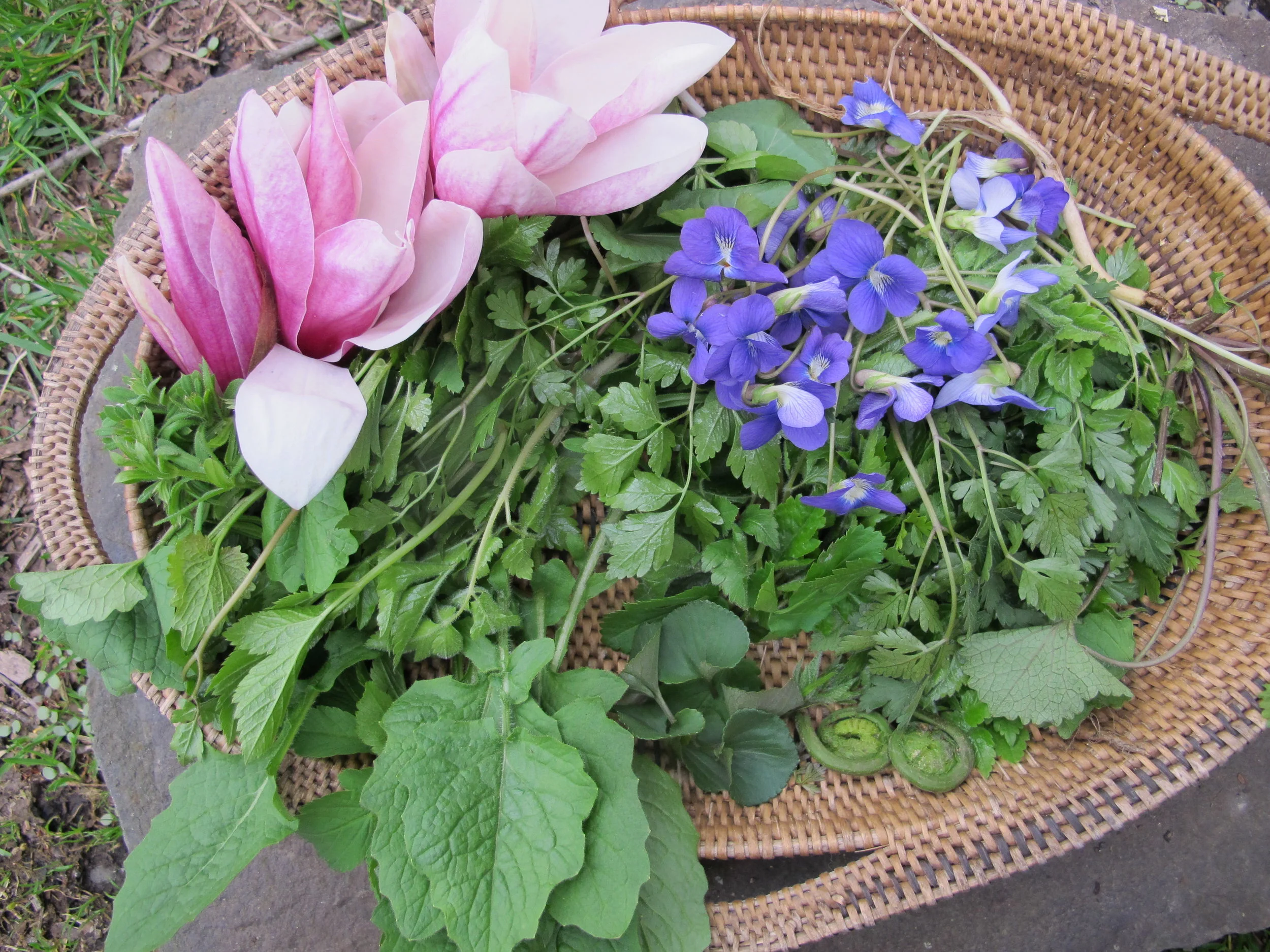
Let’s be honest. The line between a garden and the wild is often just a mental fence. We cultivate one space and forage in another, as if they’re separate worlds. But what if they weren’t? What if your backyard, your flower beds, even that sunny strip by the driveway, could be both beautiful and a source of delicious, hyper-local food?
That’s the promise—and honestly, the joy—of ethically weaving native edible plants into your designed landscape. It’s not about letting everything go wild. It’s about smart, thoughtful integration. A dance between cultivation and wildness, where you get the best of both.
The Forager’s Mindset: Observation First, Harvest Second
Before we even think about planting, we need to talk about foraging. Because foraging teaches you everything. It forces you to slow down, to look closely, to understand a plant’s whole story—where it thrives, what it needs, who else depends on it.
This mindset is your foundation. Here’s the deal: ethical foraging isn’t just about correct identification (though that’s rule number one, no exceptions). It’s about a relationship. It’s asking questions:
- How abundant is this population? If you see three plants, that’s a photo op, not a harvest.
- Am I taking too much? The classic rule of thumb is never take more than 10-20%, and often much less. Leave plenty for wildlife and for the plant to regenerate.
- What is my impact? Treading carefully, using clean tools, harvesting different parts (berries one year, leaves the next) to avoid stressing a single plant.
This respectful observation is, in fact, your best research. You’ll start to notice patterns. “Oh, the wild strawberries love that dappled light under the oak,” or “The chickweed goes crazy in that moist, disturbed soil by the path.” These are your clues for integrating them at home.
From Wild Patch to Garden Ally: The Integration Principles
Okay, so you’ve fallen for a native edible you found foraging. How do you invite it in? You don’t just stick it in a row next to your tomatoes and hope for the best. Native plants have their own… personalities. They need to be met halfway.
1. Mimic the Micro-habitat
This is the golden rule. A plant that thrives in a dry, rocky meadow will drown in a rich, irrigated vegetable bed. Your job is to play matchmaker. Observe the conditions where the plant grows wild—soil type, sunlight, moisture, companion plants—and replicate that niche in your landscape.
2. Think in Layers, Not Rows
A forest, a meadow, a woodland edge—these are layered systems. You can design the same way. Use native edibles as your groundcover, your shrub layer, your canopy.
| Layer | Native Edible Examples | Garden Role |
| Canopy/Tree | Pawpaw, American Persimmon, Hickory | Shade provider, focal point |
| Shrub | Blueberry, Elderberry, Hazelnut | Hedging, seasonal interest |
| Herbaceous | Wild Bergamot (for tea), Cattail shoots | Pollinator attractor, texture |
| Groundcover | Wild Strawberry, Woodland Stonecrop, Violets | Living mulch, erosion control |
3. Source Responsibly—Never Poach
This is critical. Never dig up plants from the wild unless it’s a site slated for immediate destruction (like a construction site)—and even then, get permission. The ethical move? Buy from reputable nurseries that propagate their natives, or learn to grow from seed. It’s slower, sure. But it protects wild populations.
Practical Pairings: Native Edibles in Action
Let’s get concrete. How does this look in a real, maybe slightly messy, garden? Here are a few scenarios blending the foraged and the cultivated.
The Sunny, Dry Border: Swap out thirsty ornamental grasses for clumps of Common Milkweed. Its young shoots, buds, and pods are edible (with proper preparation), and it’s a monarch butterfly nursery. Interplant with cultivated lavender and rosemary. The look is cohesive, drought-tolerant, and alive.
The Damp, Semi-Shady Spot: Instead of fighting to grow grass, introduce a patch of Woodland Nettle or Sweetfern. Nettles (harvested with gloves!) are a nutrient-dense supergreen for soups. They thrive where other edibles struggle.
The Foundation Planting: Replace a bland evergreen shrub with a highbush blueberry. You get stunning fall color, spring flowers, summer fruit for you and the birds, and a natural shape. It just… makes sense.
The Ripple Effects: Why This Matters Now
This isn’t just a gardening trend. It’s a response to real pain points: biodiversity loss, water scarcity, and a disconnect from our local ecology. By planting natives, you’re building resilience.
- You’re creating habitat. Native insects, birds, and pollinators evolved with these plants. They’re a lifeline.
- You’re reducing your garden’s workload. Once established, natives typically need less water, no fertilizer, and fewer pesticides. They’re adapted to your region’s pests and climate.
- You’re preserving genetic diversity. Those cultivated blueberries? They come from wild stock. Protecting native plant genetics is a form of food security.
A Final, Gentle Nudge
Integrating native edibles asks for a shift in perspective. Success isn’t measured just in pounds of produce, but in the number of bees buzzing, the chickadees visiting, the way the garden feels more alive. It’s about creating a landscape that gives back—to you, and to the place you call home.
Start small. Maybe it’s letting the violets stay in the lawn and making syrup from their flowers. Or planting one elderberry at the corner of your property. Forage to learn, then cultivate with that knowledge. The boundary between garden and wild will begin to blur. And honestly, that’s where the magic happens.
